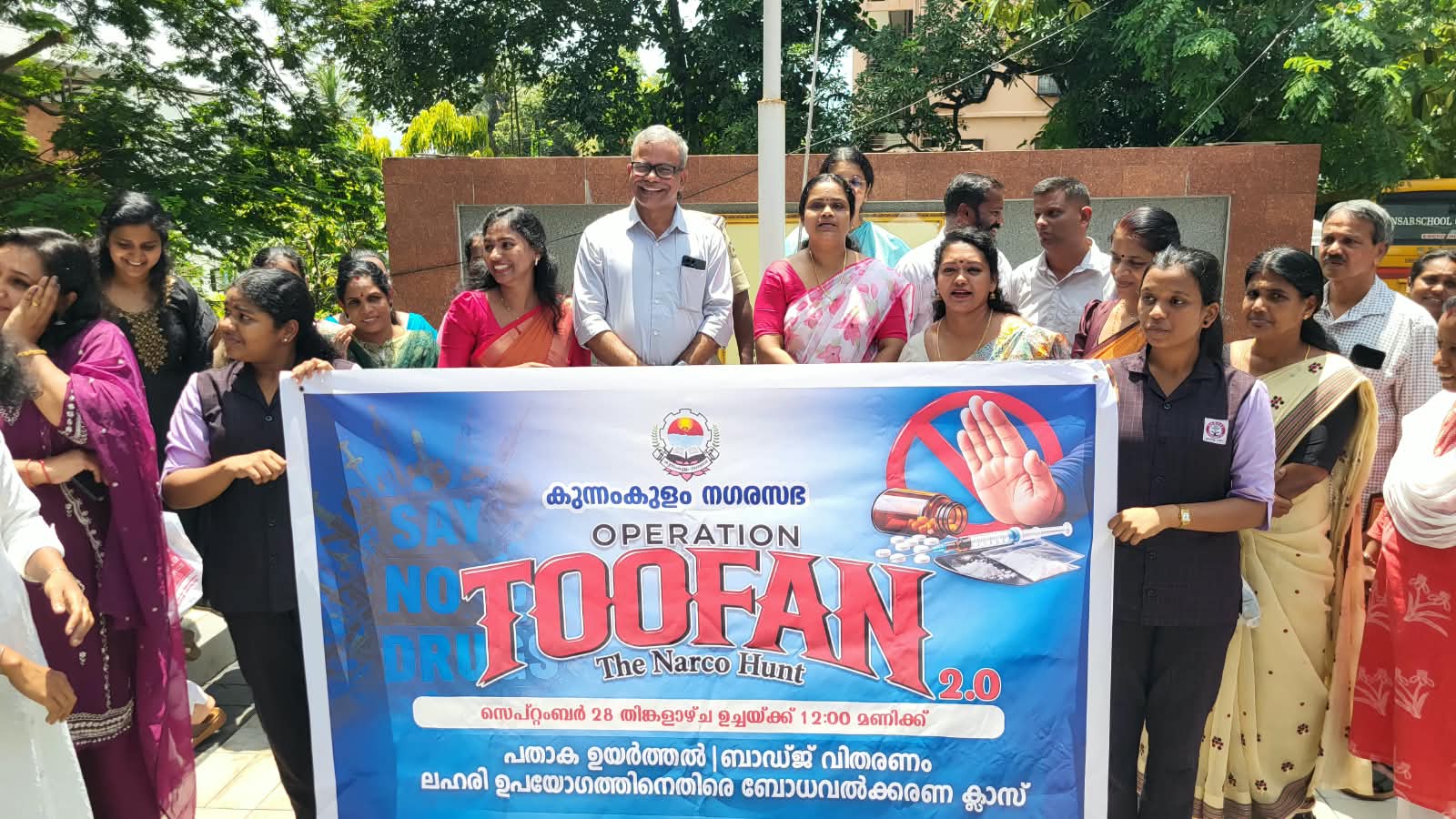
| Operation Thoofan 2.0 | Various programmes were organized at the Kunnamkulam Municipality in connection with the state-level inauguration of the Kerala Government’s anti-drug campaign, ‘Operation Thoofan 2.0.’ Along with the state-level inauguration held by the Hon’ble Chief Minister of Kerala at A.R. Nagar Grama Panchayat in Malappuram district, activities were also launched at Kunnamkulam Municipality.
|
|
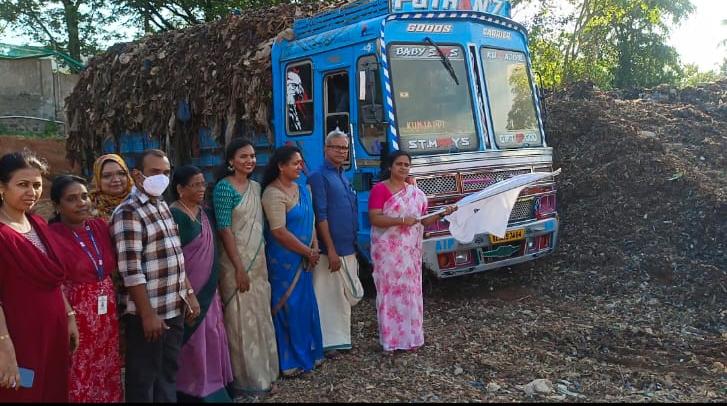
| Scientific Solution for Kurukkanpara Dump Site | 38 ടൺ RDF ഡാൽമിയ സിമന്റ് ഫാക്ടറിയിലേക്ക്..
|
|
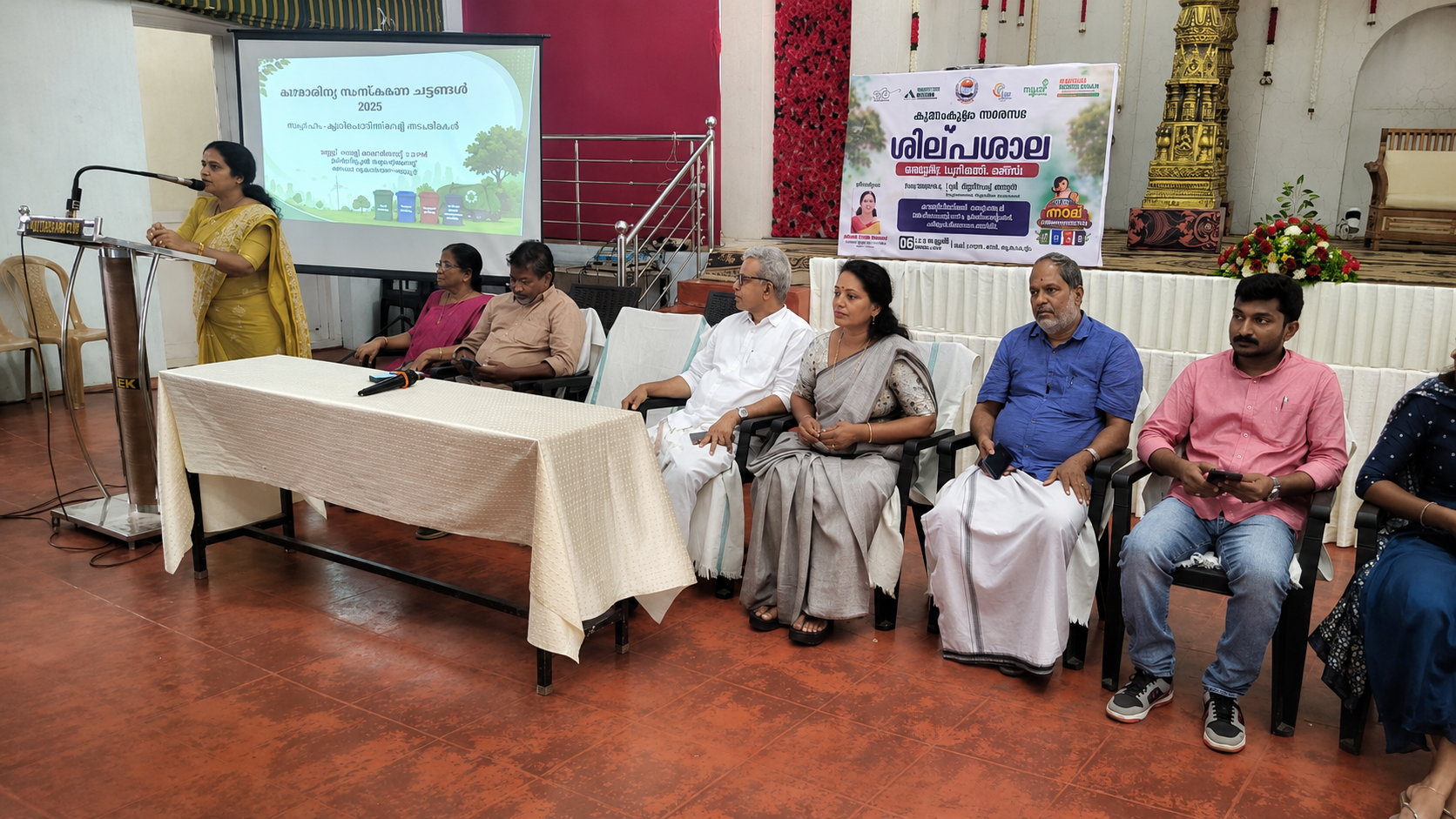
| Workshop on Solid Waste Management Rules | Workshop on Solid Waste Management Rules Conducted as Part of World Environment Day Observance As part of the World Environment Day celebrations, Kunnamkulam Municipality organized a workshop on Solid Waste Management Rules under the "Nalla Naalu Varthamanam" campaign. The workshop was held at Kunnamkulam Town Hall and was inaugurated by Municipal Chairperson Soumya Anilan. Vice Chairperson P. G. Jayaprakash presided over the function. The workshop emphasized the need to move away from the practice of indiscriminately discarding waste and instead prioritize the recovery, recycling, and reuse of valuable resources from waste. District Suchitwa Mission Programme Coordinator Rajaneesh Rajan presented the project overview and explained its objectives. New Changes in Waste ManagementThe workshop explained the changes introduced under the new regulations, moving beyond earlier waste management practices such as the Thumboormuzhi Model. Previously, waste was segregated into two categories: biodegradable and non-biodegradable. However, according to the 2026 Solid Waste Management Rules, waste must now be collected in four separate categories using designated bins. Four Categories of Waste Segregation
Detailed sessions were conducted on the segregation of waste into these four categories and on their scientific processing and disposal methods. The workshop was attended by Standing Committee Chairpersons Pushpa John, Somashekharan, Misha Sebastian, and Arsha Jiju, Municipal Councillors, Municipal Secretary Manoj K. K., JHI Praveen, Kudumbashree members, Haritha Karma Sena members, and sanitation workers of the municipality. The gathering called for the active participation of all stakeholders in making the city cleaner, greener, and more environmentally sustainable. |
|
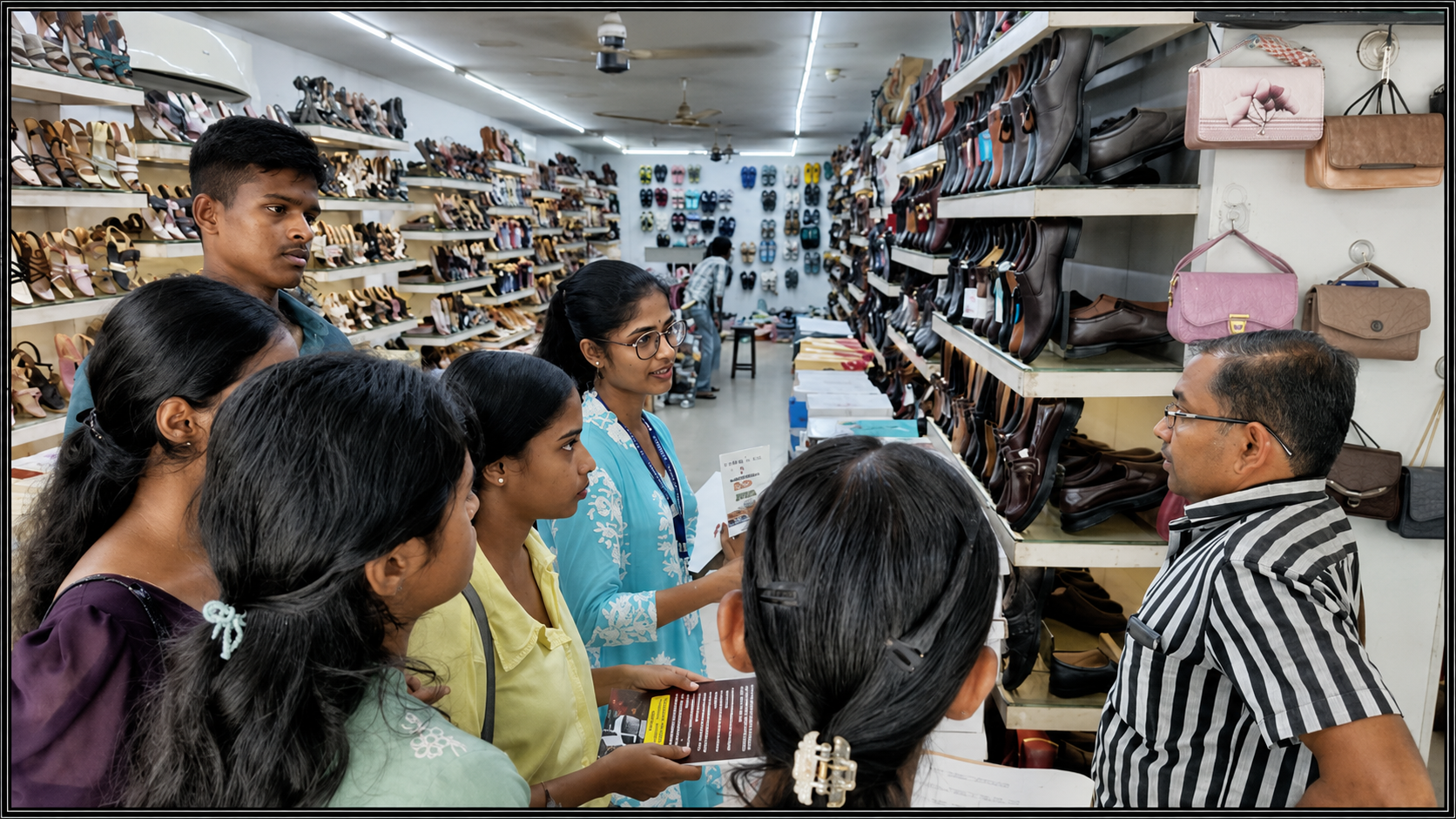
| “Kunnamkulam Towards a Clean City — Students Join Hands for the Nation” | Kunnamkulam Municipality is aiming for the top position among the cleanest cities in the country. As part of the Swachh Survekshan 2025–2026 campaign, Kunnamkulam Municipality organized cleanliness awareness programmes at various locations across the town. The awareness drive mainly focused on shop owners and commercial establishments in the municipality. Around forty students from Vyasa College, Wadakkanchery, took part in the campaign under the leadership of the municipality. The students highlighted the importance of segregating waste at the source itself and advised shopkeepers to implement a twin-bin system for separately collecting biodegradable and non-biodegradable waste. They also urged strict compliance with the municipality’s waste management regulations. Information regarding the scientific waste management initiatives implemented by the municipality and the role of traders in supporting these efforts was distributed during the programme. Students directly visited shops along major roads in the town, including Pattambi Road, Thrissur Road, Wadakkanchery Road, and Guruvayur Road, spreading messages on cleanliness and proper waste management practices. According to last year’s survey, Kunnamkulam Municipality secured the 193rd position among 4,852 cities in the country. This year, the municipality is making determined efforts to bring the town to the number one position. The energy and participation of the younger generation are proving to be a major strength in this mission. |
|
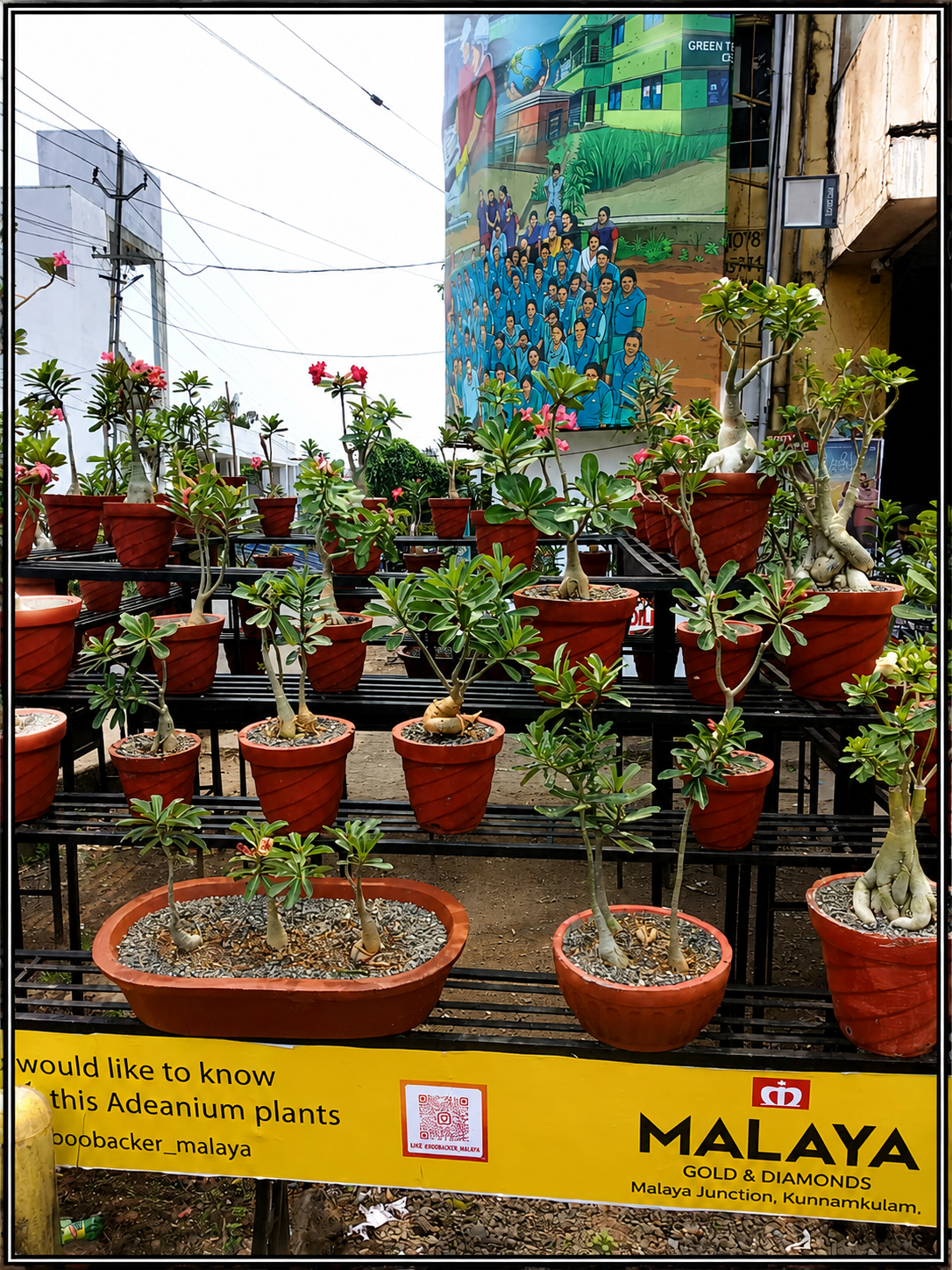
| “The foul smell is gone, fragrance has spread; the city has a new face.” | As part of the ‘Swachh Survekshan 2025-26’ cleanliness campaign, Kunnamkulam town is witnessing a remarkable transformation. Malaya Junction, once known for its foul smell and unhygienic surroundings, has now become a visually refreshing public space. Kunnamkulam Municipality is setting an inspiring example of how a town’s image can be transformed through collective effort and vision. As part of the sanitation drive, the area was thoroughly cleaned, and the municipality also introduced innovative awareness campaigns through creative “meme” posters, which attracted wide public attention. Continuing these efforts, the junction was completely renovated with the support and sponsorship of Malaya Jewellery. Around ₹2 lakh was spent to create this beautiful “Green Zone” in front of Malaya Junction. With this initiative, a long-standing issue faced by the municipality has found a permanent solution, while the town has gained a new landmark. The garden stands out because of its rare ornamental plants imported from countries such as Thailand, Indonesia, and Malaysia. The star attraction among them is the Adenium Obesum, popularly known as the “Desert Rose.” With their bonsai-style trunks and vibrant blossoms, these plants capture the attention of both pedestrians and motorists alike. These plants are maintained using a special cultivation method. Instead of ordinary soil, they are grown in a mixture of coco peat and organic nutrients. Requiring only minimal water, the plants are carefully maintained by the municipality. Even in extreme heat, these plants continue to thrive beautifully. Authorities believe that the participation of private institutions like Malaya Jewellery in municipal cleanliness initiatives can pave the way for even greater transformations in the future. |
|

Download K-Smart App

